
Trust Spotlight
Client Reference 63857
Current Program: Q2 TRUST SPOTLIGHT
Client ID: 63857
Survey: Spotlight Assessment V040426
Population - P01
Run - R01
Date of run: April 22nd - May 4th, 2026
Trust Spotlight
The Rapid Assessment identified Trust as a significant area of pressure within the organization.
This Spotlight was designed to narrow that broad signal into specific, observable workplace conditions that can be improved in practice. The focus of this work is to identify one clear starting point that can be applied consistently within existing leadership and management workflows.
This Spotlight reflects the experience of operational leadership roles responsible for supporting teams, coordinating programs, and carrying organizational direction into day-to-day operations.
The goal is to support focused, measurable improvement through small, practical changes that strengthen trust, communication, consistency, and coordination across the organization.
Participation Overview
This Spotlight was distributed to a targeted leadership cohort across the organization, including Directors, Program Managers, and Functional Leaders responsible for supporting teams, coordinating programs, and carrying organizational direction into day-to-day operations and service delivery environments.
A total of 61 participants were invited to complete the Trust Spotlight, with 38 completed responses received, representing a 62% participation rate.
The findings within this Spotlight reflect the experiences of leadership roles operating between executive direction and frontline implementation. As a result, the findings provide insight into how leadership communication, coordination, consistency, and organizational direction are currently being experienced across this leadership layer.
Key Findings Snapshot
The Trust Spotlight identified elevated pressure within both Predictability of Leadership Behaviour and Decision Transparency, suggesting that trust is being influenced by how leadership direction, decisions, and communication are experienced across operational leadership roles within the organization.
While Predictability of Leadership Behaviour produced the strongest overall signal, the open text responses also pointed consistently to changing direction, decisions shifting without explanation, and reduced confidence in how decisions are communicated and reinforced across teams and programs over time.
Based on both the quantitative findings and open text themes, Decision Transparency was identified as the initial implementation focus. Improving how decisions are explained, communicated, and reinforced may provide a practical starting point for strengthening predictability, coordination, and trust over time.
Strengthening consistency in decision communication may also support broader improvements in predictability, operational coordination, consistency across leadership groups, and confidence in organizational direction over time.
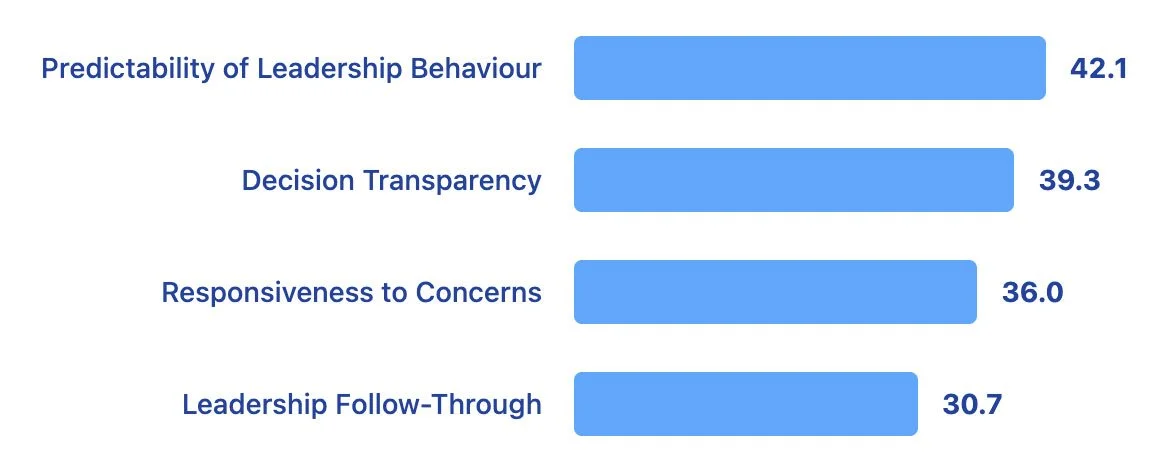
The four measured drivers of Trust:
Trust Baseline Score
Overall Trust Score: 37.28
The Trust Baseline Score provides a measurable starting point for understanding how trust is currently experienced across leadership communication, coordination, and day-to-day operations within the organization.
This baseline can be used to evaluate change over time as focused improvements are applied and re-measured across future Spotlight cycles.
Interpreting the Results
The Trust Spotlight measures trust through four drivers connected to observable leadership practices and operational workplace conditions. Each driver contains specific statements designed to identify where trust is experienced more consistently and where greater pressure may be present across leadership communication, coordination, and implementation.
The four drivers measured in this Spotlight are:
Predictability of Leadership Behaviour
Decision Transparency
Responsiveness to Concerns
Leadership Follow-Through
Two measures are used throughout the Spotlight:
Driver and Statement Scores (0–100)
Scores reflect the overall level of pressure associated with a driver or statement. Higher scores indicate greater overall pressure within that area.
Risk Indicator (%)
The Risk Indicator represents the percentage of respondents who selected:
Somewhat Disagree
Disagree
Strongly Disagree
This helps identify how visible or widespread a concern may be within the organization.
Priority Focus
The Spotlight findings identified elevated pressure within both Predictability of Leadership Behaviour and Decision Transparency, suggesting that trust is being influenced by how leadership direction, decisions, and communication are experienced across operational leadership roles within the organization.
While Predictability of Leadership Behaviour produced the strongest overall signal, the results and open text responses also pointed consistently to changing direction, uncertainty around leadership communication, and decisions shifting without clear explanation over time.
Together, these findings suggest that when decisions, priorities, or changes are not explained clearly or reinforced consistently over time, leadership may be experienced as less predictable.
For this reason, Decision Transparency was identified as the initial implementation focus for the Spotlight. Communication practices related to transparency are more directly observable within day-to-day leadership workflows and may help strengthen predictability, coordination, leadership confidence, and trust over time.
Leadership is open and transparent about the reasoning behind decisions.
Statement Score: 42.5
Risk Indicator: 29%
Leadership communicates how decisions will impact people in this workplace.
Statement Score: 38.6
Risk Indicator: 26%
Broader Organizational Impact
Conditions related to leadership consistency, communication, and decision transparency can also influence broader workplace strain over time, particularly within complex service environments. When direction is unclear or frequently shifting, operational leaders may experience increased uncertainty, coordination pressure, and difficulty maintaining stability across teams and programs.
Within the broader Rapid Assessment findings, elevated stress and burnout signals were also present, suggesting that improvements in trust, communication, and operational consistency may support broader workforce stability and organizational functioning over time.
Full Spotlight Findings
The Spotlight findings showed variation across all four trust drivers, indicating that trust is not experienced consistently across all leadership and operational conditions measured within this assessment.
While Predictability of Leadership Behaviour produced the strongest overall signal, elevated pressure was also present within Decision Transparency and Responsiveness to Concerns, suggesting that multiple aspects of leadership communication, coordination, and consistency across operational environments are influencing how trust is experienced across teams and programs within the organization.
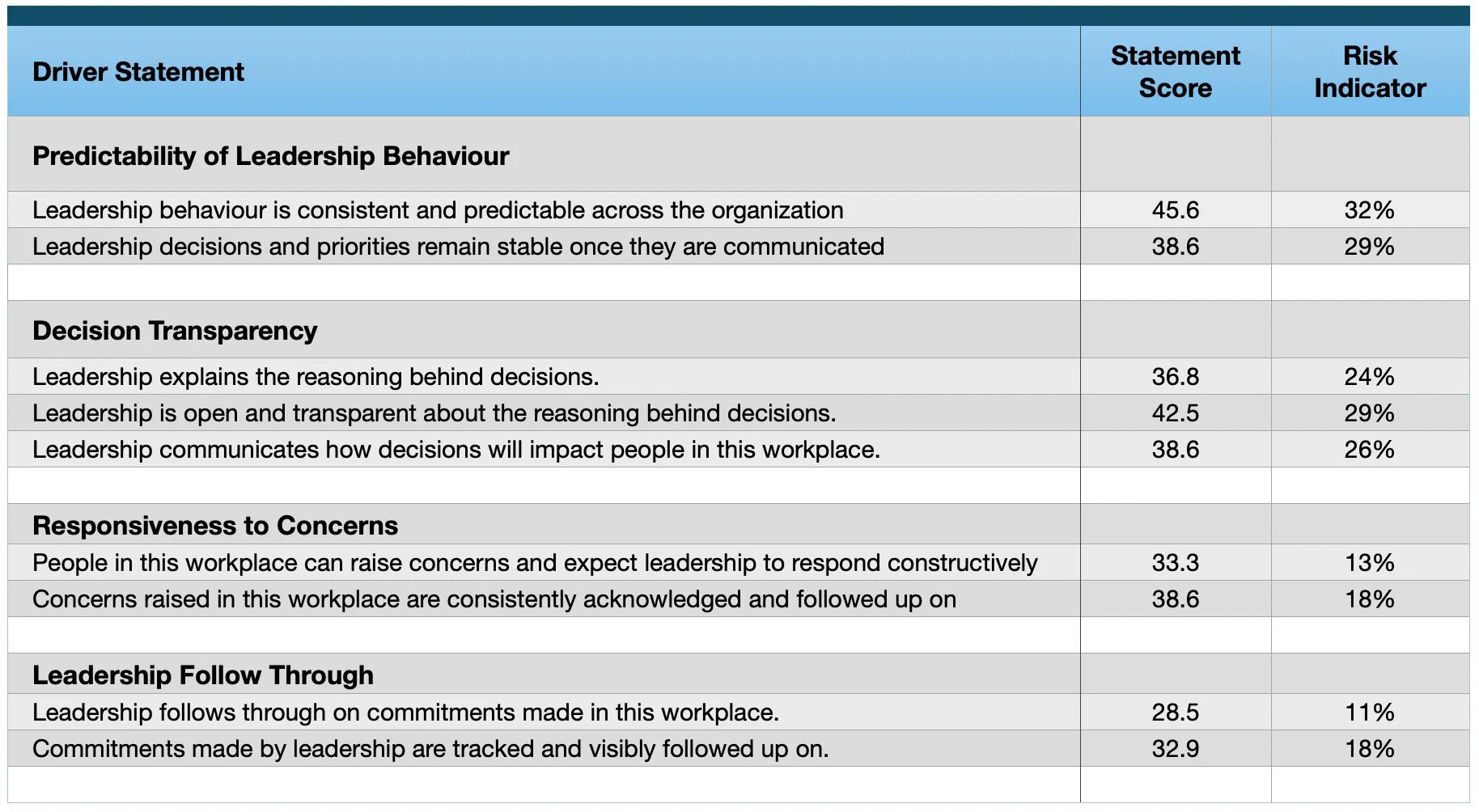
Statement Results Table
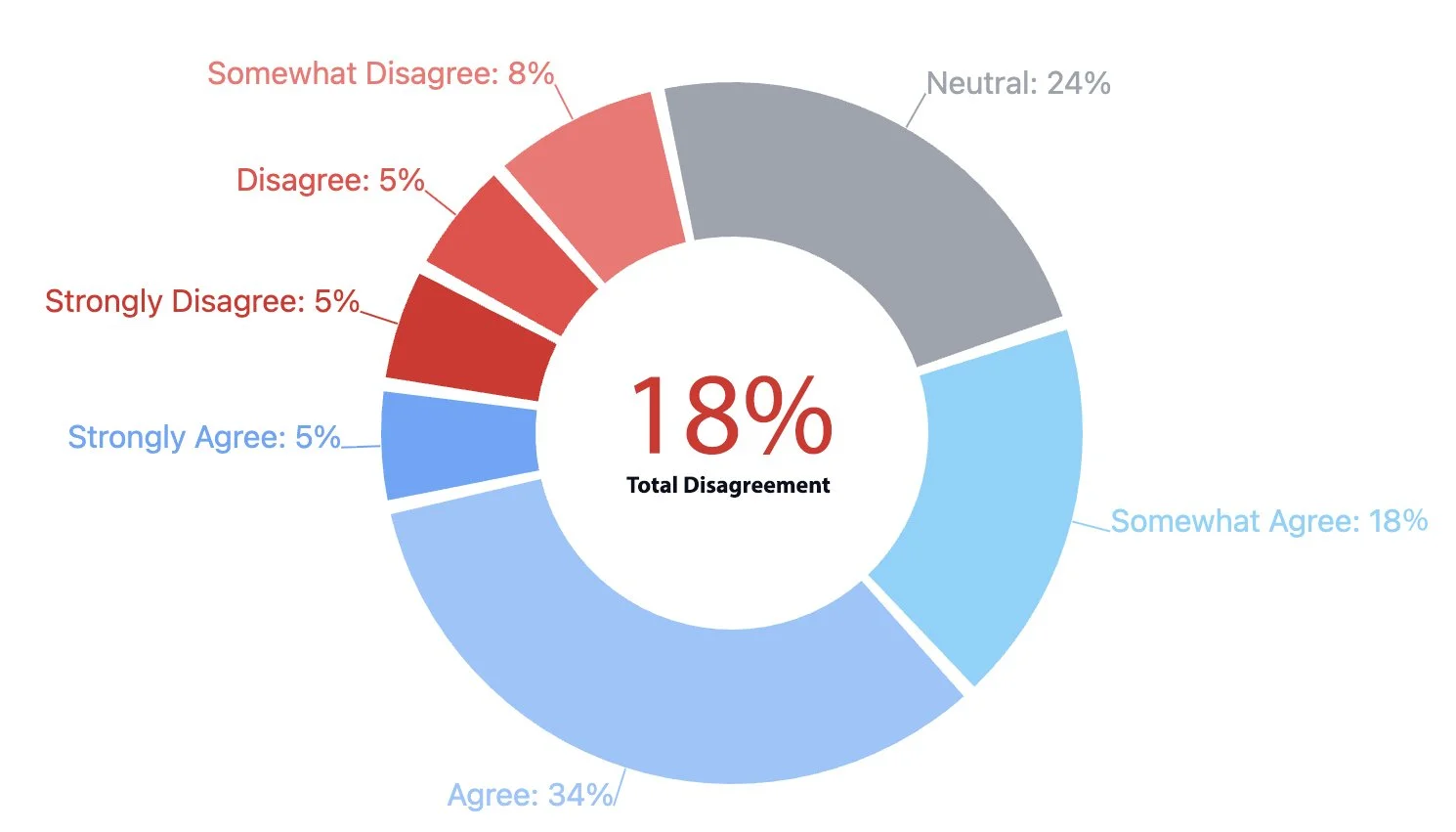
Predictability of Leadership Behaviour
Driver Score: 42.1
Risk Indicator: 30%
This driver produced the strongest overall signal within the Spotlight findings, suggesting that leadership behaviour, decisions, and priorities are not always experienced as consistent over time. The results indicate that direction or expectations may shift in ways that create uncertainty across teams, programs, and service environments.
This pattern was also reflected in open text responses describing changing direction, shifting priorities, inconsistent communication, and uncertainty around how leadership expectations are reinforced over time.
When leadership communication and priorities are reinforced consistently, operational leaders are better able to coordinate programs, support teams, and carry direction forward with greater confidence and stability. Strengthening consistency in how decisions, priorities, and leadership direction are communicated over time may support broader improvements in trust, coordination across programs and teams, and organizational stability.
Leadership behaviour is consistent and predictable across the organization.
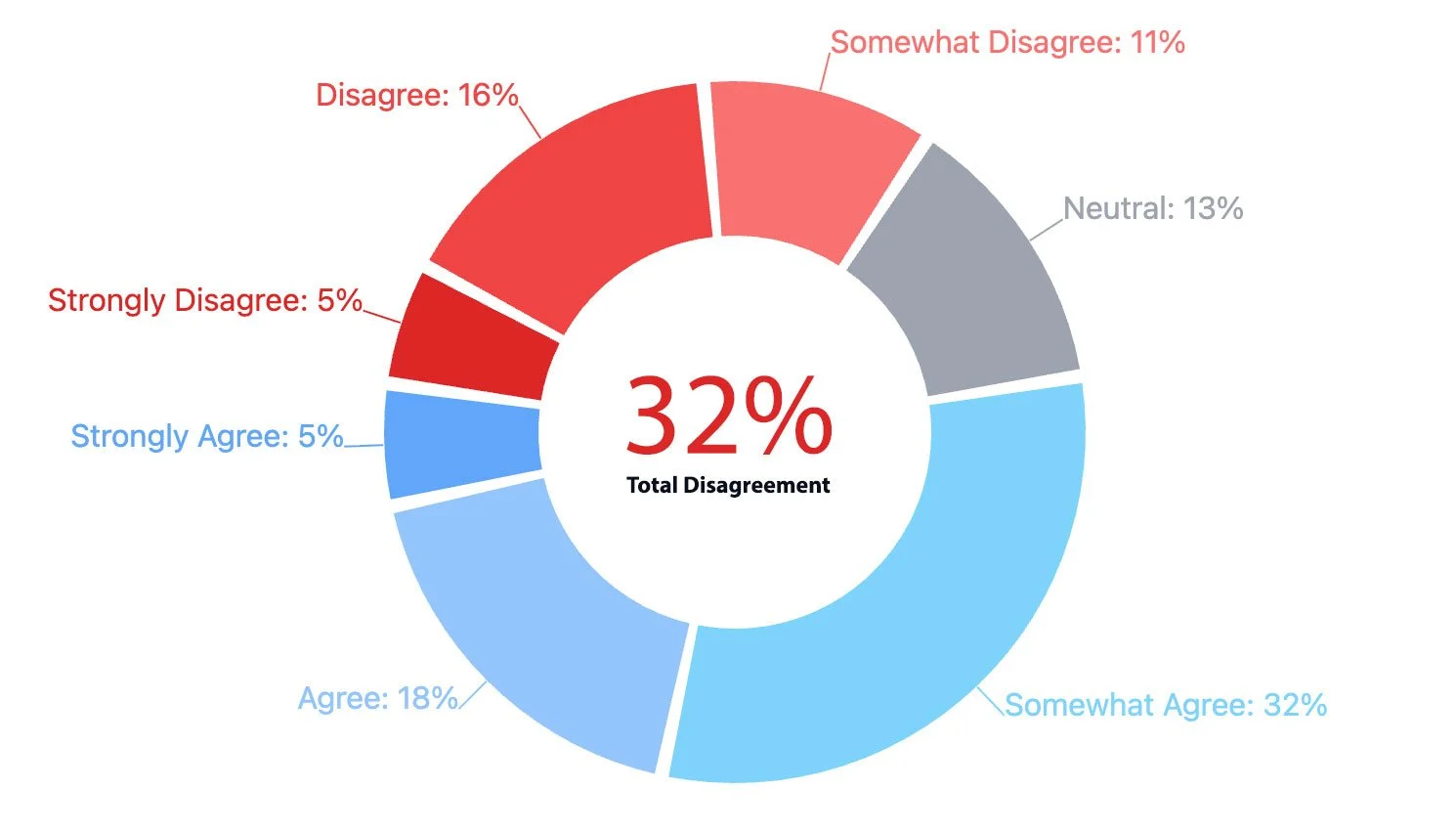
Leadership decisions and priorities remain stable once they are communicated.
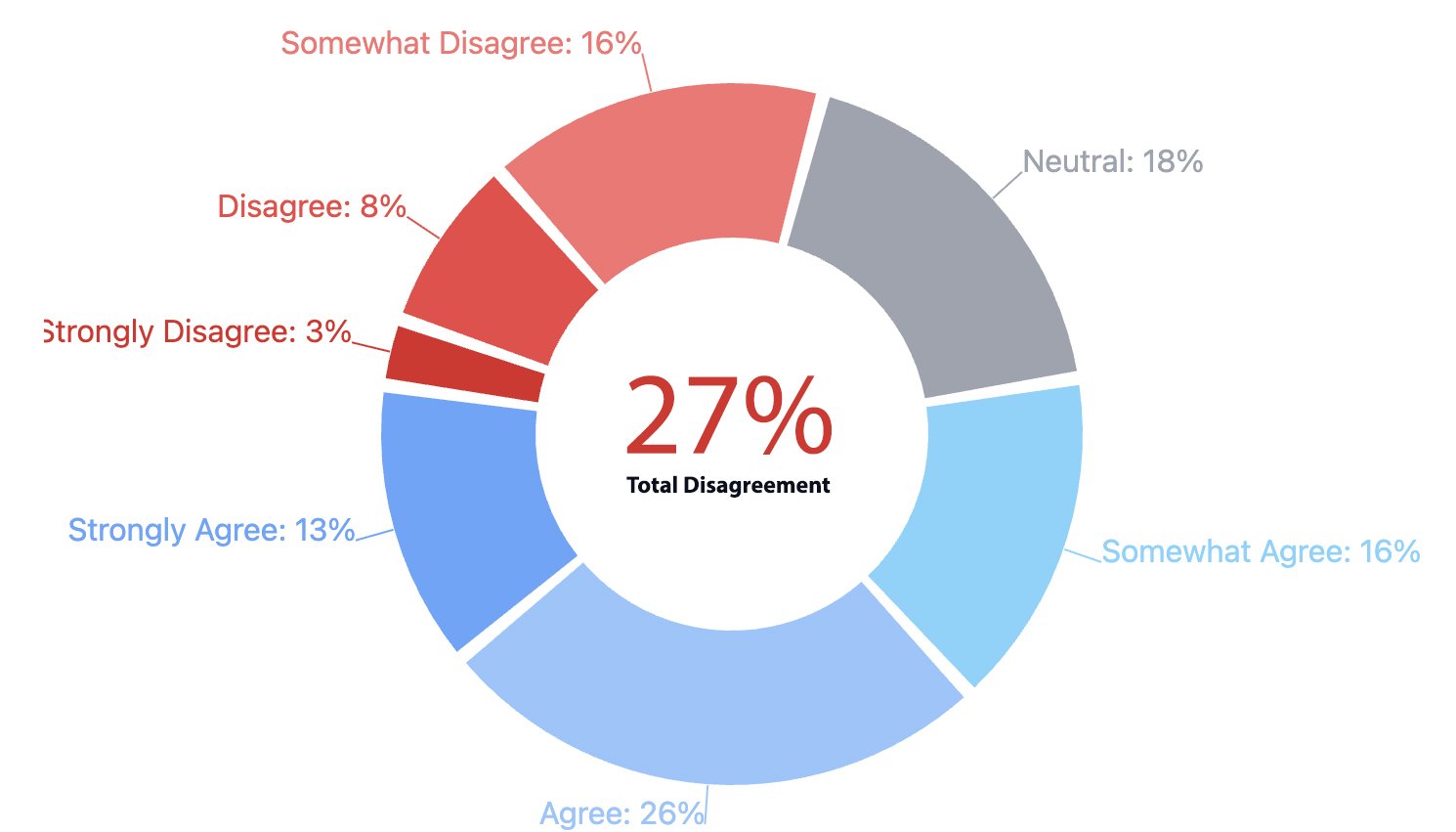
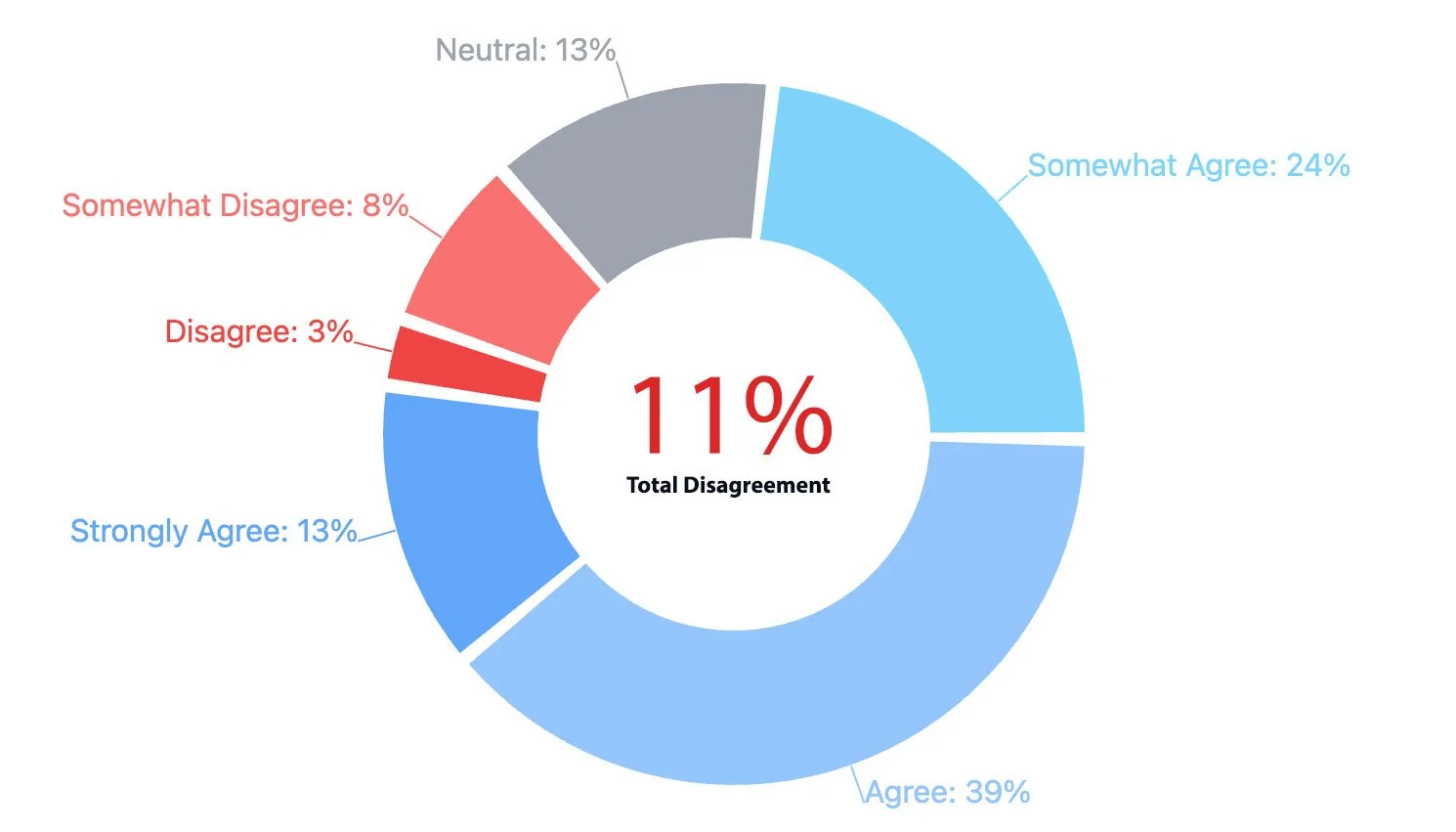
Decision Transparency
Driver Score: 39.3
Risk Indicator: 26%
This driver showed elevated pressure across all three statements, suggesting that the reasoning behind decisions and the communication of operational impact are not always experienced consistently across the organization. The results indicate that while decisions are being communicated, there may be less clarity around why decisions are being made and how they are expected to affect teams, programs, and service delivery.
Open text responses also referenced decisions changing without explanation, uncertainty around leadership direction, and concerns about how operational realities are reflected in decision-making across programs and service environments.
Improving how decisions are explained and reinforced may help reduce uncertainty, strengthen coordination across leadership groups, and improve confidence in leadership direction. Because these practices are highly visible, practical to implement, and can be integrated into existing leadership communication workflows, this driver was identified as the initial implementation focus for the Spotlight.
Leadership explains the reasoning behind decisions.
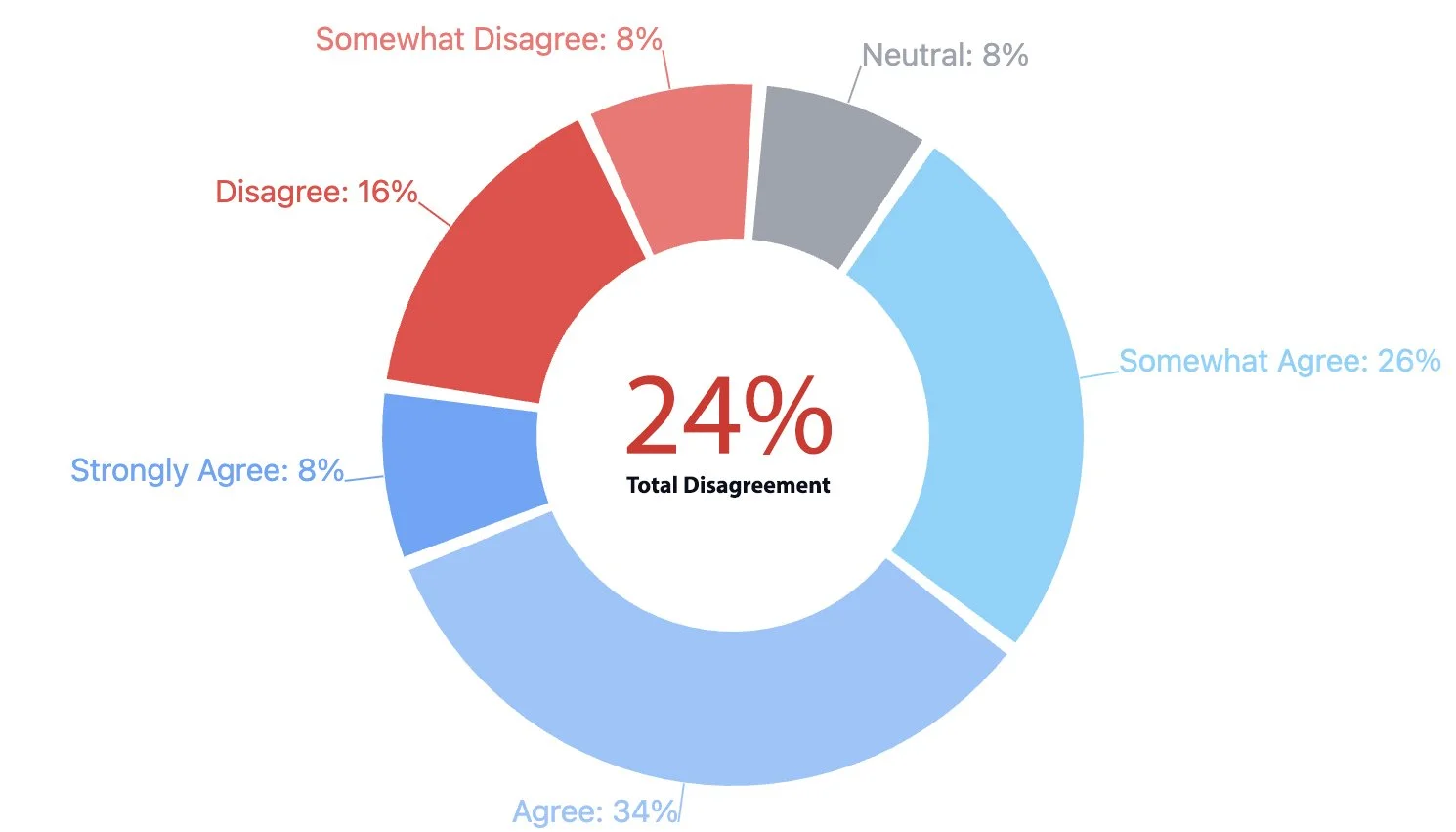
Leadership is open and transparent about the reasoning behind decisions.
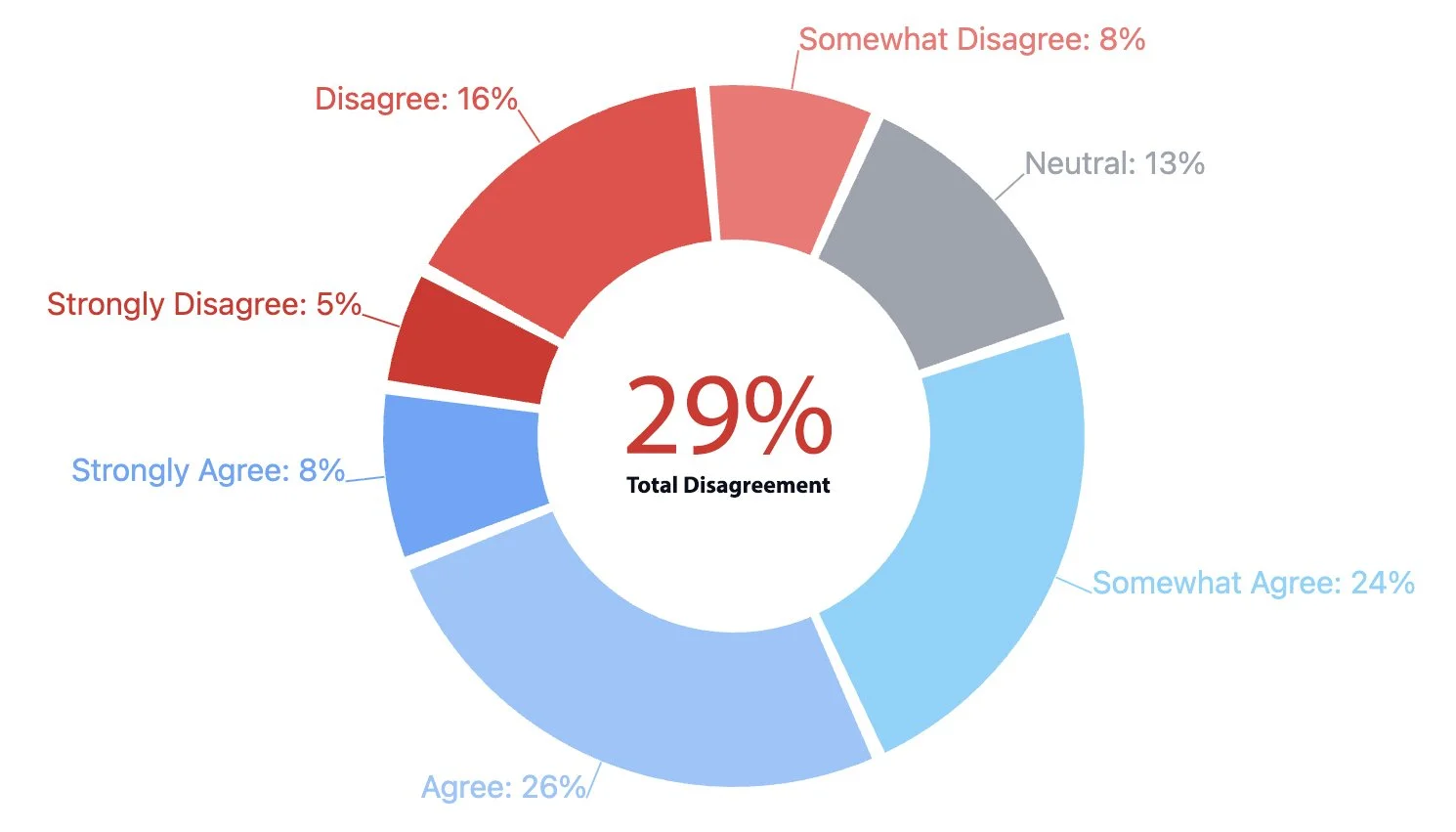
Leadership communicates how decisions will impact people in this workplace.
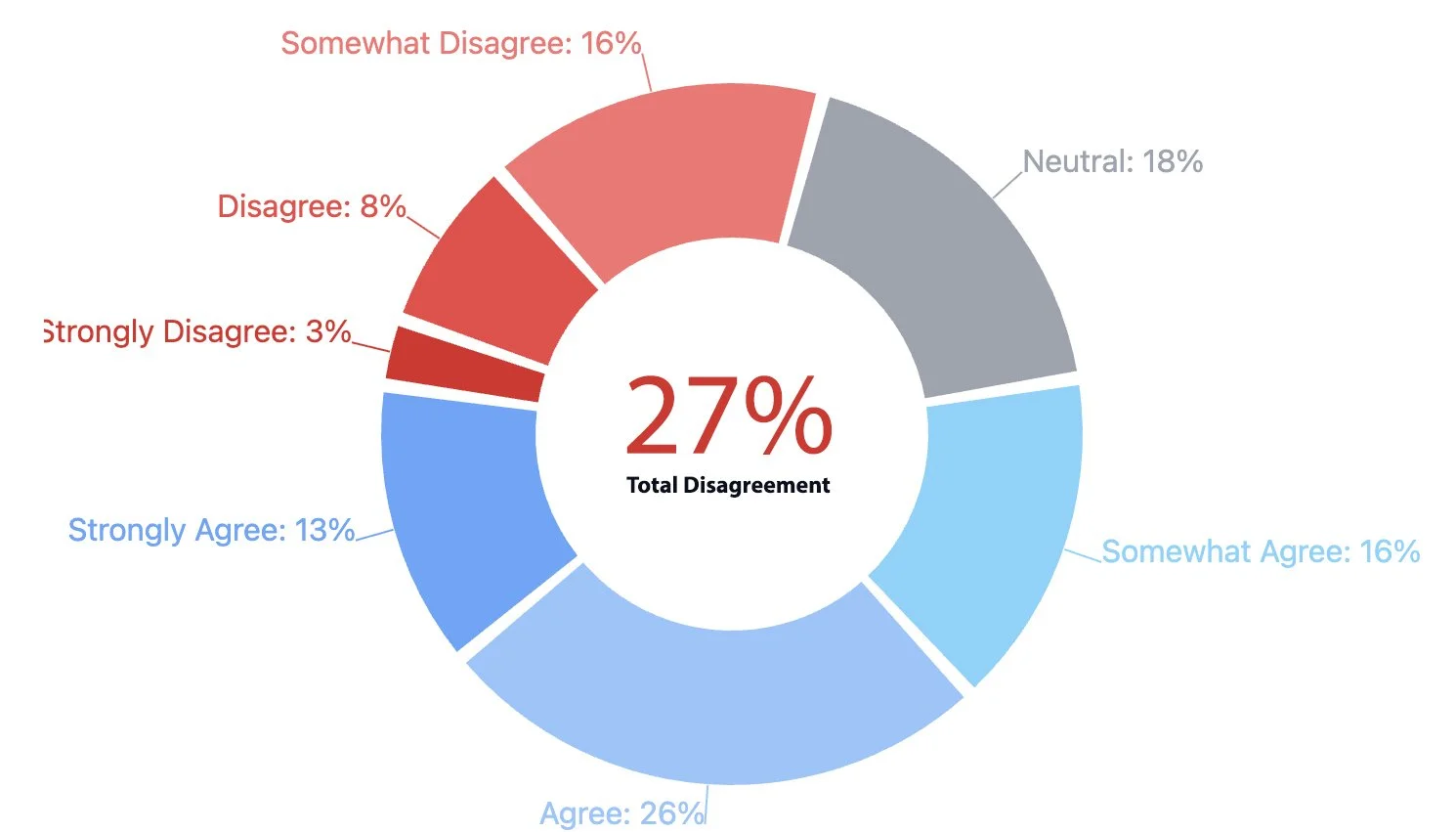
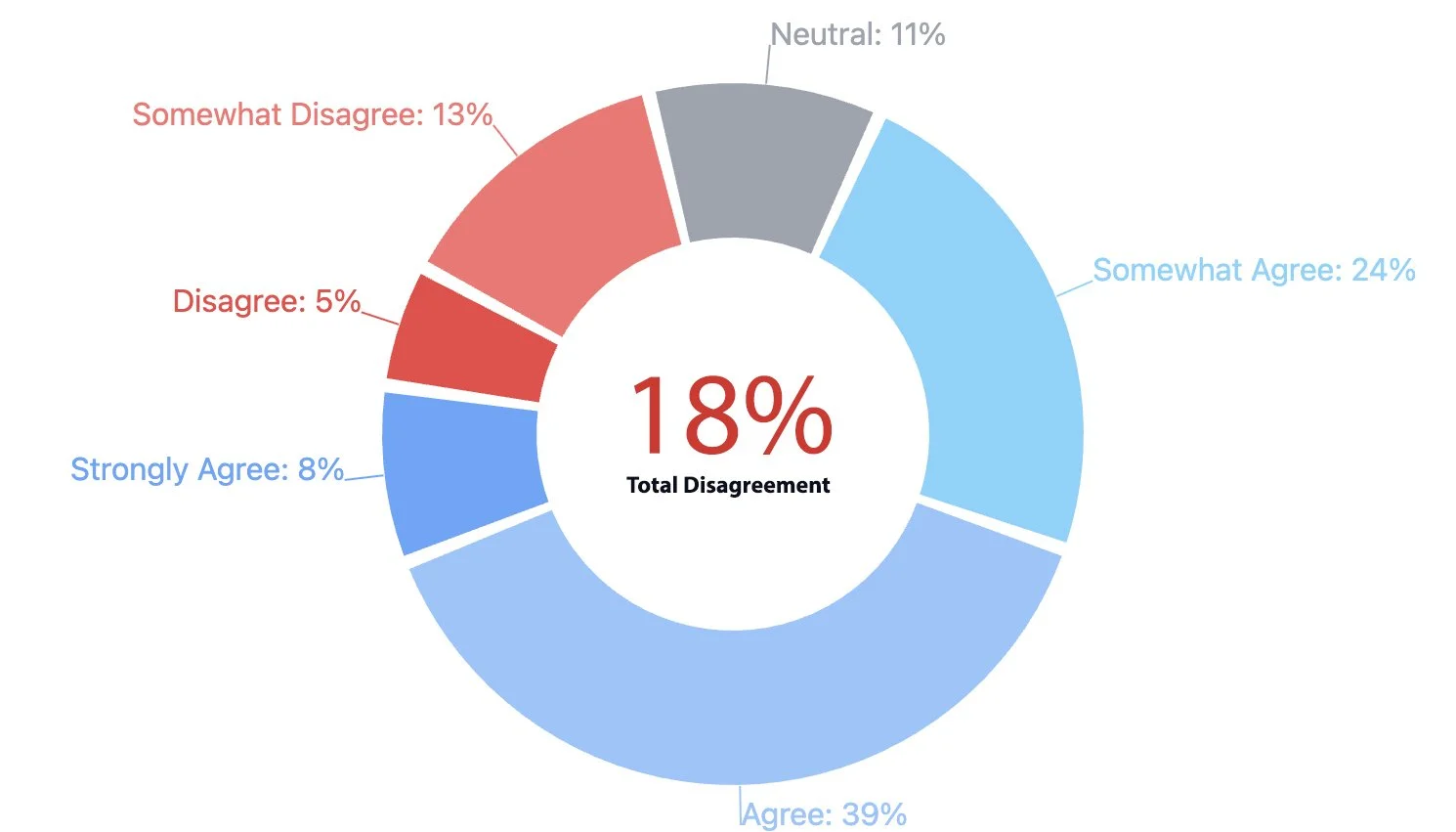
Responsiveness to Concerns
Driver Score: 36.0
Risk Indicator: 16%
This driver showed moderate and relatively stable pressure across both statements, suggesting that concerns raised within the workplace are generally acknowledged, but not always experienced as consistently followed through on across teams, programs, or operational situations. The results indicate that opportunities to raise concerns may exist, while confidence in how concerns are responded to may vary across the organization.
Open text responses also reflected some hesitation around speaking openly about concerns and uncertainty regarding how feedback or operational input may be received and acted upon over time.
When concerns are acknowledged and addressed consistently, operational leaders are more likely to believe that raising issues is worthwhile and that leadership is responsive to challenges emerging across programs and service environments. Strengthening follow-up and communication around concerns may support greater confidence, coordination, and trust over time.
People in this workplace can raise concerns and expect leadership to respond constructively.
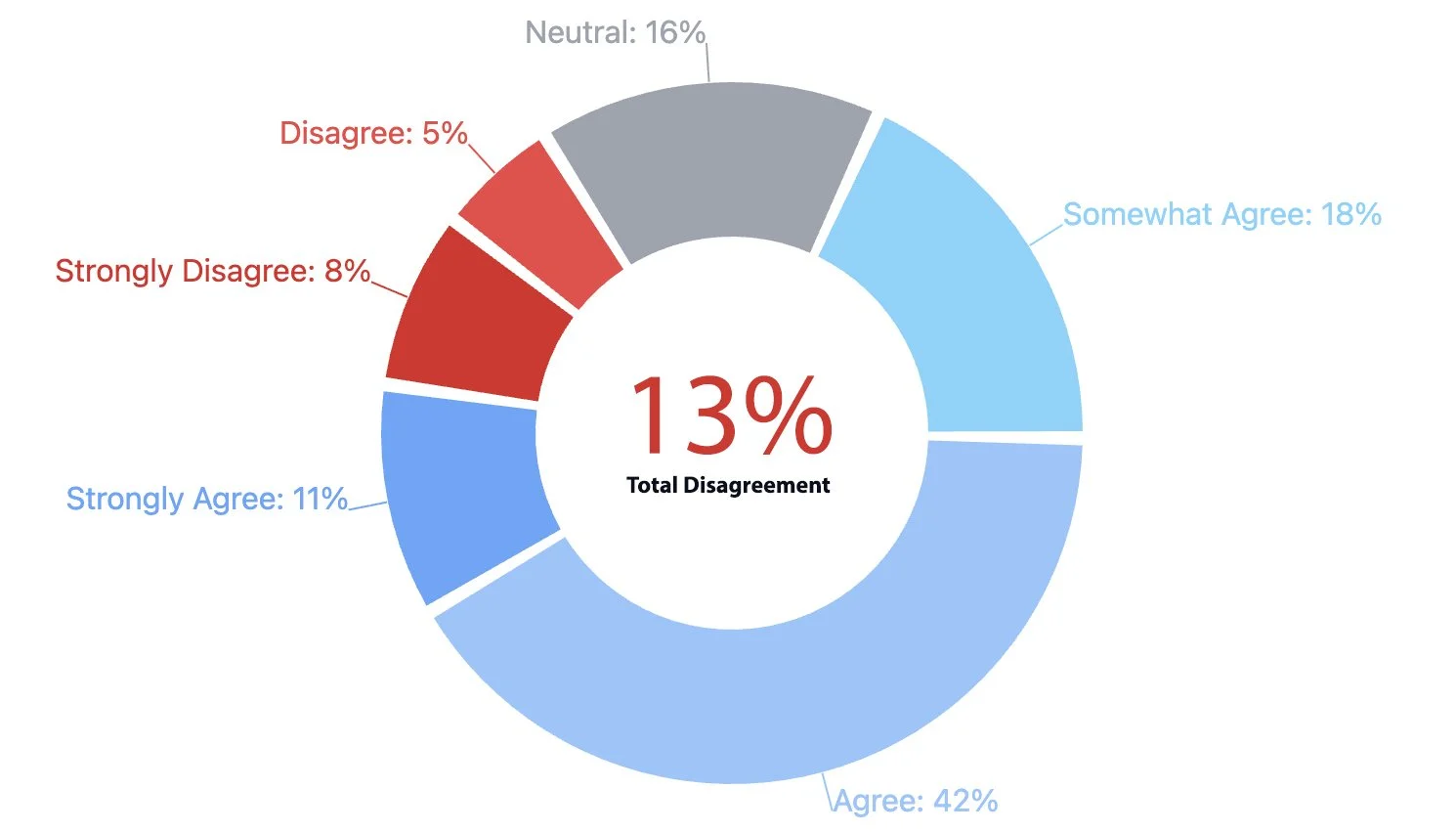
Concerns raised in this workplace are consistently acknowledged and followed up on.
Leadership Follow-Through
Driver Score: 30.7
Risk Indicator: 14%
This driver showed the lowest overall pressure across the four trust drivers, suggesting that leadership commitments and follow-up processes are generally experienced more consistently than other areas measured within the Spotlight. While some variation remains present, the findings suggest that leadership effort and follow-through are generally visible across the organization, while greater pressure appears related to communication consistency and changing direction over time.
Visible follow-through helps operational leaders maintain consistency across teams and service environments by reinforcing confidence that communicated direction will lead to observable action. Continuing to reinforce consistency between leadership communication and action may help sustain trust, coordination, and organizational stability over time.
Leadership follows through on commitments made in this workplace.
Commitments made by leadership are tracked and visibly followed up on.
Summary of Open Text Responses
Eight respondents (21% of participants) also chose to provide open text feedback as part of the Spotlight. These comments provided additional operational context to the quantitative findings and helped identify recurring themes related to communication, consistency, leadership transition, and decision-making across teams and programs.
The open text responses suggest that trust within the organization is being influenced by leadership transition, changing direction, inconsistent communication, and uncertainty around how decisions are made and reinforced across teams and programs over time.
Several comments described situations where priorities or expectations shifted without clear explanation, creating difficulty maintaining consistency across operational and service environments. There were also recurring concerns related to leadership credibility, continuity during organizational change, and whether operational realities are consistently reflected in decision-making.
Overall, the comments aligned most strongly with the Spotlight findings related to Predictability of Leadership Behaviour and Decision Transparency, particularly around changing direction, communication consistency, leadership credibility, and confidence in leadership direction over time. Together, the qualitative and quantitative findings suggest that consistency and clarity in leadership communication are likely influencing how trust is currently experienced within the organization.
Open Text Responses
The following comments were provided voluntarily by participants as part of the Trust Spotlight and are presented anonymously. Open text responses are presented as submitted, with limited edits only where necessary to protect privacy or confidentiality.
-
“The organization would benefit from stronger mechanisms to maintain continuity across senior leadership changes. Without intentional knowledge transfer, critical systems and processes developed under previous leadership can be deprioritized or dismantled, leading to inefficiencies and operational gaps. This creates avoidable risk and undermines long-term improvement efforts. Embedding clearer documentation, transition practices, and accountability for sustaining effective work would help address this”
-
“Currently (this past year), our leadership is good, however, has not been in the past.”
-
“Still lots of work to do in regards to gaining leadership trust.“
-
“How should Coast assess historical leadership performance in relation to the current leadership direction? While there has been a noticeable shift in leadership conduct since March 2025 [edited for privacy], there remains an unresolved legacy of a previously reported workplace culture characterized by intimidating tone. How is Coast planning to address the impact of that period while supporting alignment with the current leadership approach and expectations?“
-
“It feels like we've lost a lot of the leaders people trusted, and now we're left with some senior leaders that people don't really trust or see as credible. On top of that, some of the newer leaders don't seem to understand how nonprofit work actually runs day to day, and you can feel that in the decisions being made. There's a big gap between what's being said and what's actually happening. People don't feel safe speaking up. Everyone talks about it quietly, but no one wants to be the one to say it out loud because they're worried it will come back on them. So you're not getting the truth. A lot of people are holding back, but someone needs to say it.”
-
“Senior leadership involvement often feels like micromanagement. Leaders are bypassed, decisions change without explanation, and direction shifts depending on who is asking. Accountability is unclear, and it makes it difficult to move work forward with any consistency. There are also real concerns about trust in some newer leaders. Input from experienced staff is not always reflected, including when it impacts client care. Decision-making feels concentrated with a few individuals who do not always have a full understanding of the work, and it is affecting morale, consistency, and confidence.”
-
“During the re-structuring and transition of CMH there was a lack of trust in leadership. Many people felt job-insecurity. At times direction is given and then the same direction is changed not always with a reason why. It would be beneficial for the leaders to track their decisions.“
-
“Part of trust is balanced feedback - what you are doing well, areas that may need more support or clarification to achieve, and an awareness of how feedback can land when there isn't ongoing supportive connection, being seen and heard and supported“
Next Steps
The purpose of this Spotlight is to identify one practical starting point that can support measurable improvement in how trust is experienced across leadership communication, coordination, and day-to-day operations within the organization.
The next stage of this work focuses on applying the selected implementation area within existing leadership and operational practices over a defined period of time. This begins with a structured working session to:
confirm the implementation focus
identify where this work will be applied across teams, programs, and service environments
establish practical communication and reinforcement strategies
and define how consistency will be maintained across leadership groups and operational settings.
Communication back to participating leadership groups will also be an important part of the implementation process. Providing visibility into how the Spotlight findings were used, what area has been selected for focus, and how improvement efforts will move forward will help reinforce transparency, strengthen confidence in the process, and demonstrate that operational feedback is being acknowledged and acted upon.
Following this session, the implementation period will focus on applying small, repeatable adjustments within existing leadership workflows and operational practices. Progress can then be re-measured over time to evaluate movement within the Trust Spotlight and broader Rapid Assessment areas.