Trust Spotlight Assessment Results - Client Reference (Demo)
Current Program: Q2 TRUST SPOTLIGHT ASSESSMENT RESULTS
Client ID: (Demo)
Survey: Spotlight Assessment Results V012126
Population - P01
Run - R01
Date of run: MM DD - MM DD, 2026
Trust Spotlight — Leadership Report
1. Executive Summary
Trust has been identified as a leading area of risk across the organization and has been selected as the focus for improvement.
Trust is not consistently experienced in day-to-day work, with the greatest pressure concentrated in how decisions are communicated and understood.
The results show that while leadership decisions are being made, they are not always clearly understood or consistently translated into what they mean for people’s work. This is most visible in Decision Transparency, which shows the highest level of disagreement across all drivers.
Priority Focus: Decision Transparency
The most effective starting point is improving how decisions are communicated — specifically, how the impact of decisions on people is explained in practice.
When decision reasoning and impact are not clearly communicated, people may be required to interpret intent or confirm direction before acting. This can slow progress, increase follow-up, and reduce trust in how decisions are made and communicated.
Action Focus (One Priority Area)
The focus of this work is to strengthen how decision impact is communicated at the point decisions are shared, using existing leadership and management workflows.
This report supports a focused approach by identifying this as the highest-impact starting point for strengthening trust. The next step is to work with leadership to translate this focus into a small number of consistent practices that can be applied across the organization.
This creates a clear and manageable starting point for improvement, allowing effort to be concentrated in one area, applied consistently, and measured over time.
2. Trust in Context
Trust is experienced through how leadership actions, decisions, and workplace practices show up in day-to-day work. It is shaped less by what is intended and more by what people observe over time — how decisions are communicated, how consistently actions follow what is said, and how concerns are handled in practice.
When trust is consistent, people are more likely to act with confidence, raise concerns early, and move work forward without needing to confirm direction or interpret intent. When trust is less consistent, people may hesitate, rely more on what they see happening than what is communicated, and spend more time clarifying decisions or adjusting work as situations evolve.
Trust also influences whether people feel able to speak up — particularly when raising concerns, questioning decisions, or sharing information that may be difficult to surface. When this is less consistent, issues may surface later, decisions may take longer to act on, and coordination across teams can become less efficient.
This is also relevant from a compliance perspective, as expectations around communication, reporting, and raising concerns rely on people feeling able to engage with workplace processes as intended. Improving trust in this context is not about broad cultural change, but about making focused, observable adjustments to how work is carried out. When applied consistently, these changes can be measured over time, providing a clear view of progress and supporting a structured approach to improvement.
3. The Drivers of Trust
The Trust Spotlight focuses on four key drivers:
Decision transparency
Leadership follow-through
Predictability of leadership behaviour
Responsiveness to concerns
Each driver represents a leadership practice or workplace condition that influences how trust is experienced in day-to-day work.
The drivers are grounded in established research in workplace psychological health and safety and are selected because they meaningfully influence trust, can be observed through workplace experience, and can be translated into practical action.
Statements are used to measure each driver. Each statement reflects an observable aspect of day-to-day work. Looking at these individually highlights where experiences are most inconsistent or under pressure.
These statements are grouped into their respective drivers, allowing specific conditions to be understood as part of broader patterns.
This structure moves the results beyond general concepts such as “improving trust” and instead focuses on where trust is being affected in practice — both at the level of specific conditions and the broader patterns they reflect.
4. The Results
The results are presented at three levels to provide both an overall view and detailed insight.
The results below provide the detail behind the priority identified in the Executive Summary. They confirm where trust is most under pressure and show how experiences vary across the four drivers, including areas that may be addressed in future cycles.
At the driver level, results are summarized into a Driver Score (0–100) and Risk Indicator (%) showing the percentage of disagreement. This reflects the overall condition of each driver based on the pattern of responses across its statements.
At the statement level, results show the percentage of respondents who disagreed with each statement as well as the weighted score across all responses. This highlights where experiences are most inconsistent or under pressure in day-to-day work.
At the component level, a Trust Score (0–100) provides an overall view of how trust is currently experienced across the organization. This score represents the average of all statement scores and serves as a baseline for future comparison.
While the Trust Score provides a useful reference point, the primary value of the results comes from understanding how experiences vary across drivers and where specific conditions are most visible in day-to-day work. This allows leadership to focus on one clearly defined area for improvement, using a structured approach that prioritizes one condition at a time.
Driver Results
Decision Transparency
Driver Score: 71.1
Risk Indicator: 72%
Decision Transparency reflects how clearly leadership communicates the reasoning behind decisions and how those decisions affect people’s work. This influences trust by allowing people to understand decision intent and anticipate impact, reducing uncertainty and limiting the need to interpret or second-guess leadership actions.
This driver shows a consistently elevated signal across both statements, with the strongest pressure in how decision impact is communicated, followed by how decision reasoning is explained. This suggests that while decisions are being made, they are not always clearly understood or consistently translated into what they mean for day-to-day work.
When the reasoning behind decisions is not explained, people may be left to interpret intent. This can make it harder to move forward with clarity and confidence, as individuals may need to fill in gaps or check their understanding before acting.
When the impact of decisions is not clearly communicated, people may be unsure how those decisions affect their role, their priorities, or their team. This can lead to delays, repeated check-ins for clarification, or work being adjusted after direction is given. Over time, this can slow progress and reduce trust in how decisions are made and communicated.
This represents the highest-impact starting point for strengthening trust, by improving how decisions are explained and how their impact is communicated in practice.
Leadership Follow-Through
Driver Score: 56.9
Risk Indicator: 52.5%
Leadership Follow-Through reflects the extent to which commitments made by leadership are carried through in practice, including whether they are tracked, revisited, and completed over time. This influences trust because people rely on consistency between what is said and what actually happens. When follow-through is inconsistent, individuals may hesitate to act on direction or wait for confirmation, which can slow progress and reduce trust in leadership commitments.
This driver shows a moderate and consistent signal across both statements, indicating that follow-through is not always experienced as reliable in day-to-day work. The pattern suggests that while commitments are made, they are not consistently tracked or revisited in a visible way, which can make it difficult to know whether actions will be completed over time.
When commitments are not consistently followed through, people may begin to rely less on what is communicated and more on what they see happening in practice. This can lead to hesitation in acting on direction, increased checking or follow-up, and a need to confirm priorities before moving forward. Over time, this can slow progress and reduce trust in leadership commitments, particularly when expectations are not consistently carried through.
This creates an opportunity to strengthen trust by improving how commitments are tracked, revisited, and communicated over time, so that what is said is more consistently experienced in practice.
Responsiveness to Concerns
Driver Score: 50.6
Risk Indicator: 40%
Responsiveness to Concerns reflects how consistently concerns raised in the workplace are acknowledged, taken seriously, and followed up on by leadership. This influences trust because it signals whether it is safe and worthwhile to raise issues, and whether doing so leads to a meaningful response rather than being overlooked or delayed.
This driver shows a moderate and consistent signal across both statements, indicating that while concerns can be raised, the experience of how they are responded to is not always consistent in practice. The pattern suggests that people may feel able to speak up, but are less certain about what happens after a concern is raised.
When concerns are not consistently acknowledged or followed up on, individuals may begin to question whether raising issues will lead to a meaningful response. This can result in hesitation to raise concerns, or a tendency to wait until issues become more visible or harder to ignore. Over time, this can reduce trust in leadership responsiveness and limit early visibility into potential problems.
This creates an opportunity to strengthen trust by improving how concerns are acknowledged and followed up on in practice, so that people can see that raising issues leads to a clear and consistent response.
Predictability of Leadership Behaviour
Driver Score: 40.8
Risk Indicator: 23%
Predictability of Leadership Behaviour reflects how consistently leadership actions, decisions, and priorities are experienced over time. This influences trust because it allows people to anticipate how leadership will respond and make decisions, reducing the need to adjust or second-guess direction as work progresses.
This driver shows a lower and more stable signal across both statements compared to others, indicating that leadership behaviour and priorities are generally experienced as consistent over time. The pattern suggests that once direction is set, it is less likely to shift or change in a way that disrupts day-to-day work.
When leadership behaviour is experienced as consistent and predictable, people are better able to plan their work, make decisions with confidence, and move forward without needing to revisit or confirm direction. This supports trust by reducing uncertainty and allowing individuals to rely on leadership actions over time.
This creates an opportunity to reinforce trust by maintaining this consistency and continuing to communicate decisions and priorities in a way that supports stability in day-to-day work.
The Trust Component Score
Overall Trust Score: 54.86
This score provides a baseline view of how trust is currently experienced across the organization. At this level, trust is present but not consistently experienced in day-to-day work.
The results show a clear pattern where some aspects of trust — particularly how leadership communicates decisions and follows through on commitments — are less consistently experienced, while others — such as predictability of leadership behaviour — are more stable.
This reinforces the focus on one clearly defined area for improvement. By concentrating effort on the conditions where trust is least consistent, leadership can apply a structured approach that strengthens trust in practice and supports measurable change over time.
5. Focused Opportunity
This work focuses on one clearly defined condition and strengthening how it is experienced in day-to-day work.
Priority Focus: Decision Transparency
The results show clear variation across the four drivers, with Decision Transparency standing out as the highest area of pressure. This indicates that how decisions are communicated — particularly how their impact is understood — is the most significant constraint on trust in the organization.
Action Focus (One Priority Area)
The focus of this work is to improve how the impact of decisions on people is communicated in practice.
When decision impact is not clearly understood, individuals may be required to interpret direction, confirm expectations, or adjust their work after decisions are shared. This can slow progress, increase follow-up, and reduce trust in how decisions are made and communicated.
By focusing on this one condition, leadership can make targeted adjustments within existing workflows that improve clarity, reduce uncertainty, and strengthen trust in day-to-day work. This approach concentrates effort in a single area, supports consistent application across the organization, and increases the likelihood of measurable improvement over a defined cycle.
This focus reflects a deliberate narrowing from a broad assessment of workplace conditions to one leadership practice, and then to a single, clearly defined condition within it. Concentrating effort in this way allows for changes that are practical to apply within existing workflows, minimize disruption, and deliver the highest impact on how trust is experienced in day-to-day work.
The Broader Impact
Focusing on how decisions are communicated — particularly how their impact is understood — is expected to have effects beyond this single condition.
As clarity improves, people are better able to understand direction, coordinate their work, and move forward with confidence. This can reduce the need for repeated clarification and support more consistent execution across teams.
Improved clarity also influences whether people feel comfortable raising questions, concerns, and alternative perspectives. When expectations are more clearly understood, individuals are more likely to engage rather than hold back or wait for further confirmation.
More broadly, reducing uncertainty in how decisions are communicated can help lower ongoing stress and create more stable working conditions in day-to-day operations.
6.Where to Start
The focus is to consistently explain how decisions impact people at the point they are communicated. The following examples show how this can be applied within existing leadership and management workflows.
This can be applied in practice through small, consistent adjustments such as:
1. Use existing updates to explain impact
When decisions are shared in meetings, updates, or written communication, include a brief explanation of how the decision affects roles, priorities, or teams.
2. Make decision reasoning visible
Where decisions are communicated, include a short explanation of why the decision was made to reduce the need for teams to interpret intent.
3. Reinforce impact at the team level
Managers can use regular team meetings to connect decisions to day-to-day work — clarifying what changes, what stays the same, and what is expected.
4. Identify where impact is unclear
Review common decision points and identify where decisions are shared without a clear explanation of how they affect people’s work.
5. Create space for clarification
After decisions are shared, ensure there is a clear opportunity for questions or follow-up where impact may not be fully understood.
6. Apply consistently over time
Use these adjustments consistently so that expectations around how decisions are explained become predictable and reliable.
Moving Forward
This work is typically carried out over a defined period, focusing on applying one clearly defined condition within existing leadership and management practices.
During this time, the emphasis is on consistency — ensuring that the selected focus is applied in day-to-day work in a way that is visible, repeatable, and understood across teams. This is typically supported through regular leadership check-ins to review how the focus is being applied and where adjustments may be needed.
Progress is then reviewed and re-measured to assess how the experience of trust has shifted, particularly in relation to how decisions are communicated and understood in practice.
This provides a clear view of where improvement is occurring and helps identify the next area of focus from the broader Rapid Assessment. By continuing to apply this approach — focusing on one condition at a time — organizations can strengthen psychological health and safety in a structured and measurable way over time.
This process begins with a structured working session to define how the selected focus will be applied across leadership and management practices, ensuring a consistent and practical starting point for implementation.
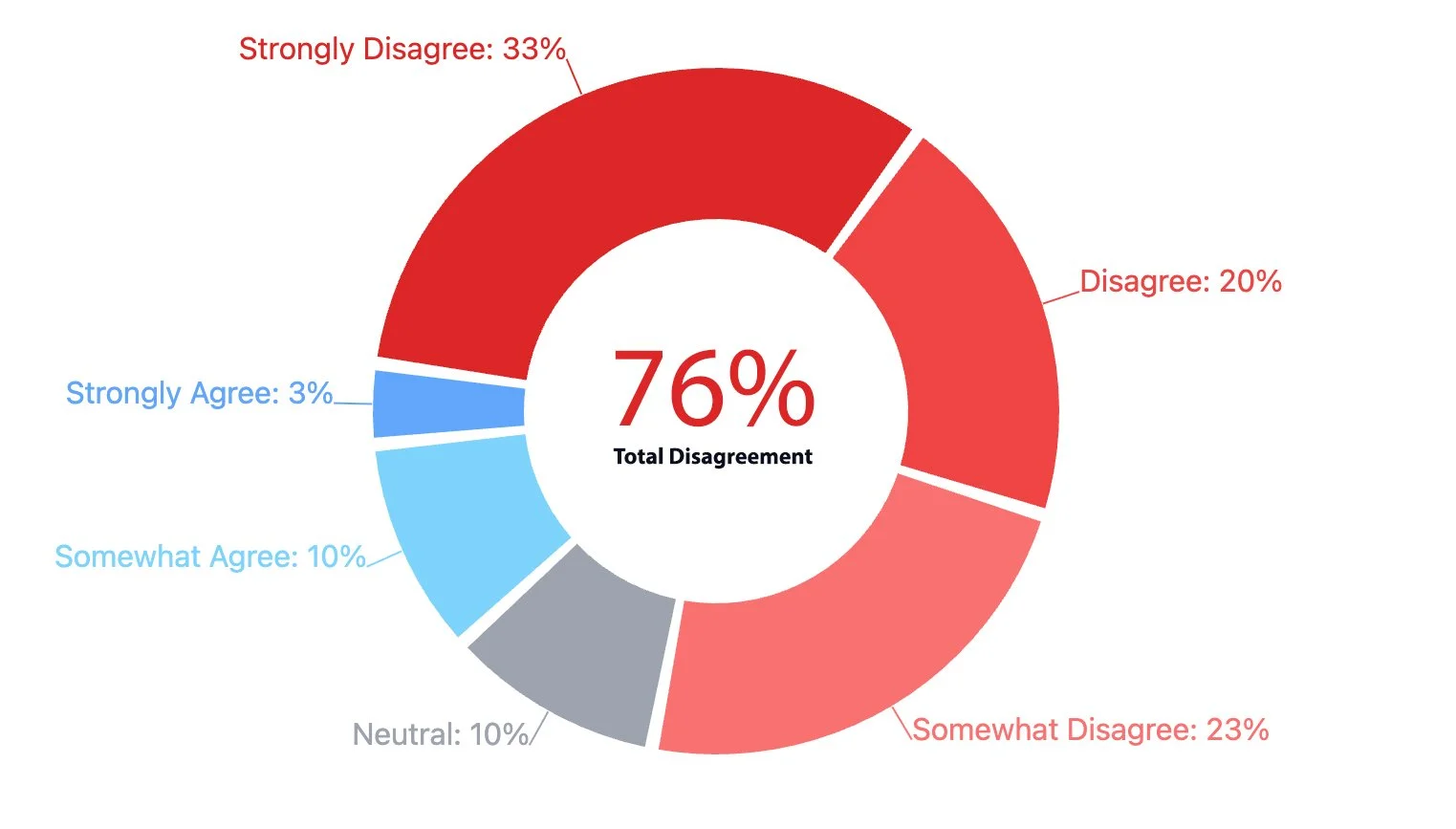
“Leadership communicates how decisions will impact people in this workplace.” (Q4)
Score: 73.9
Risk Indicator: 76%
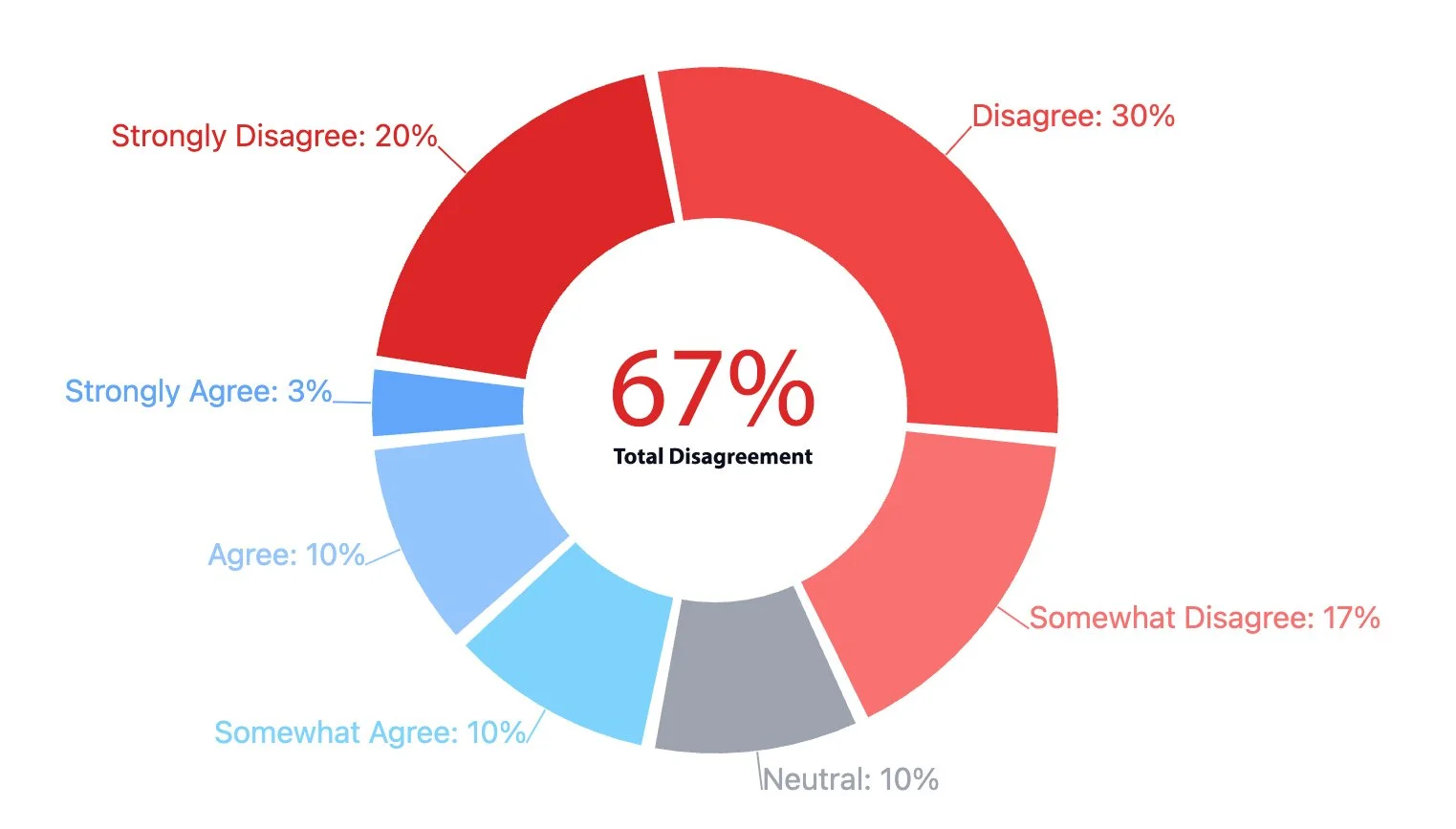
“Leadership explains the reasoning behind decisions” (Q3)
Score: 68.3
Risk Indicator: 67%
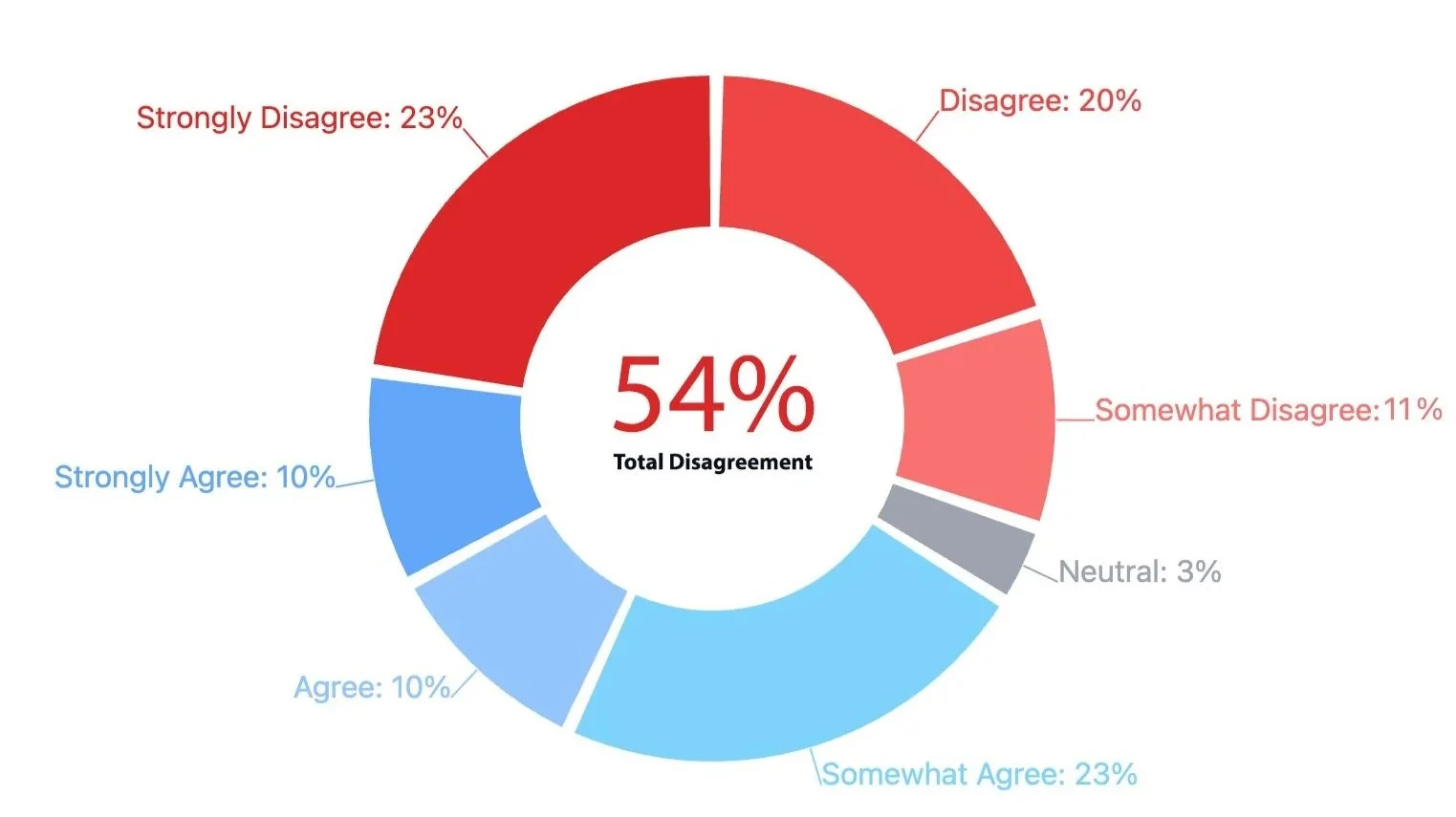
“Leadership follows through on commitments made in this workplace” (Q1)
Score: 57.8
Risk Indicator: 54%
“Commitments made by leadership are tracked and visibly followed up on.” (Q2)
Score: 56.1
Risk Indicator: 51%
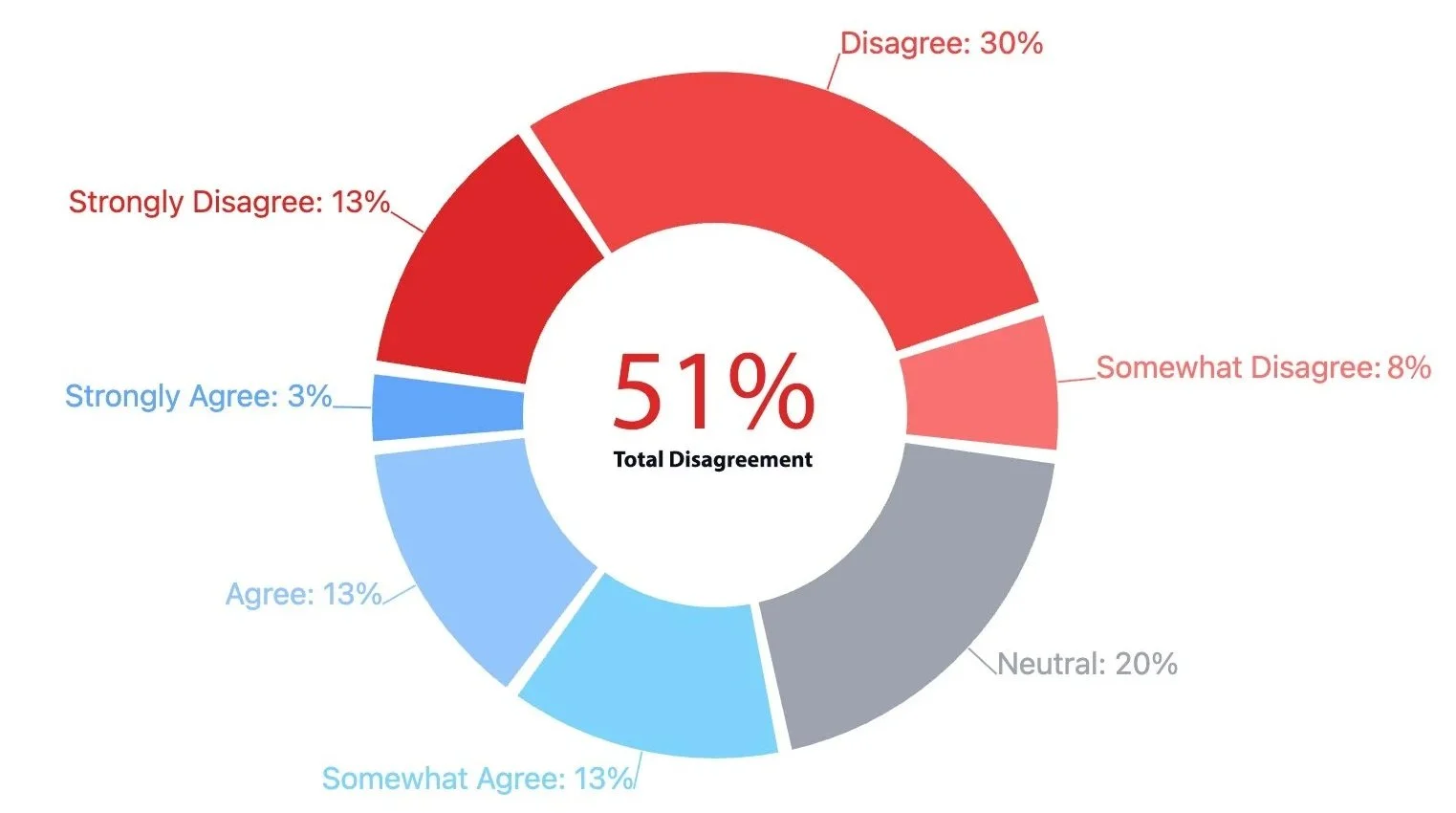
“Concerns raised in this workplace are consistently acknowledged and followed up on.” (Q6)
Score: 48.9
Risk Indicator: 37%
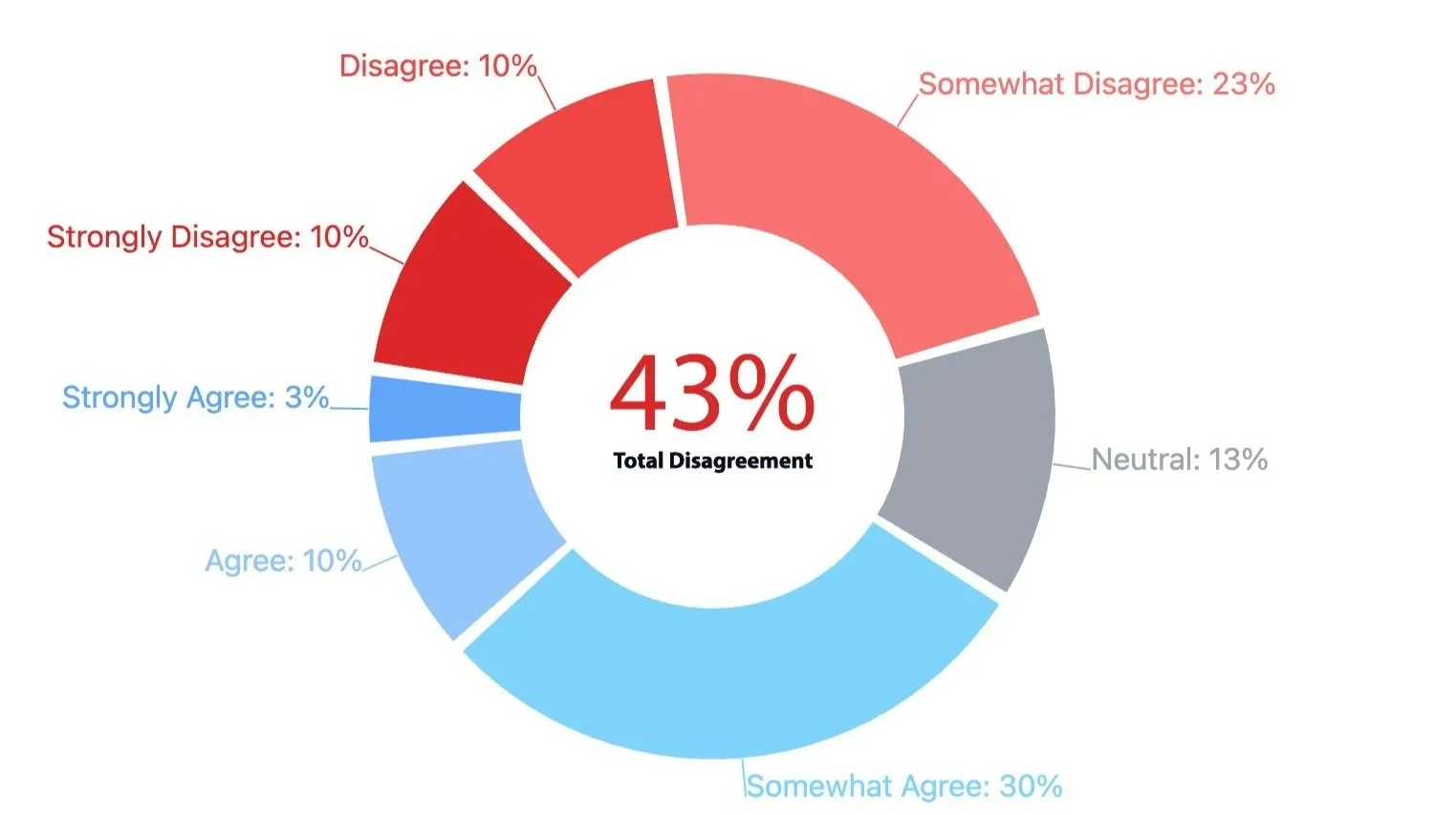
“People in this workplace can raise concerns and expect leadership to respond constructively.” (Q5)
Score: 52.2
Risk Indicator: 43%
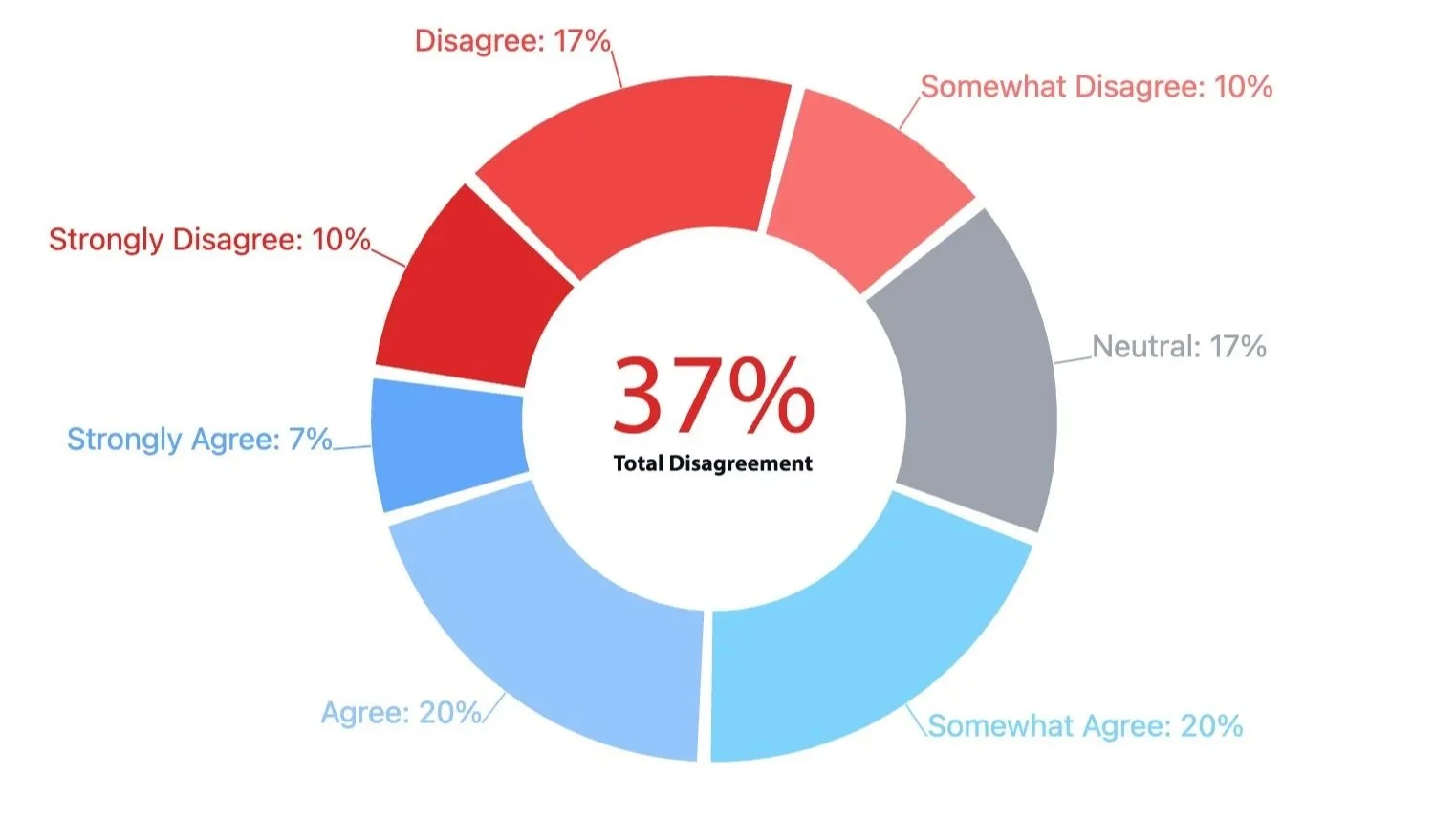
“Leadership behaviour is consistent and predictable across the organization.” (Q7)
Score: 43.9
Risk Indicator: 26%
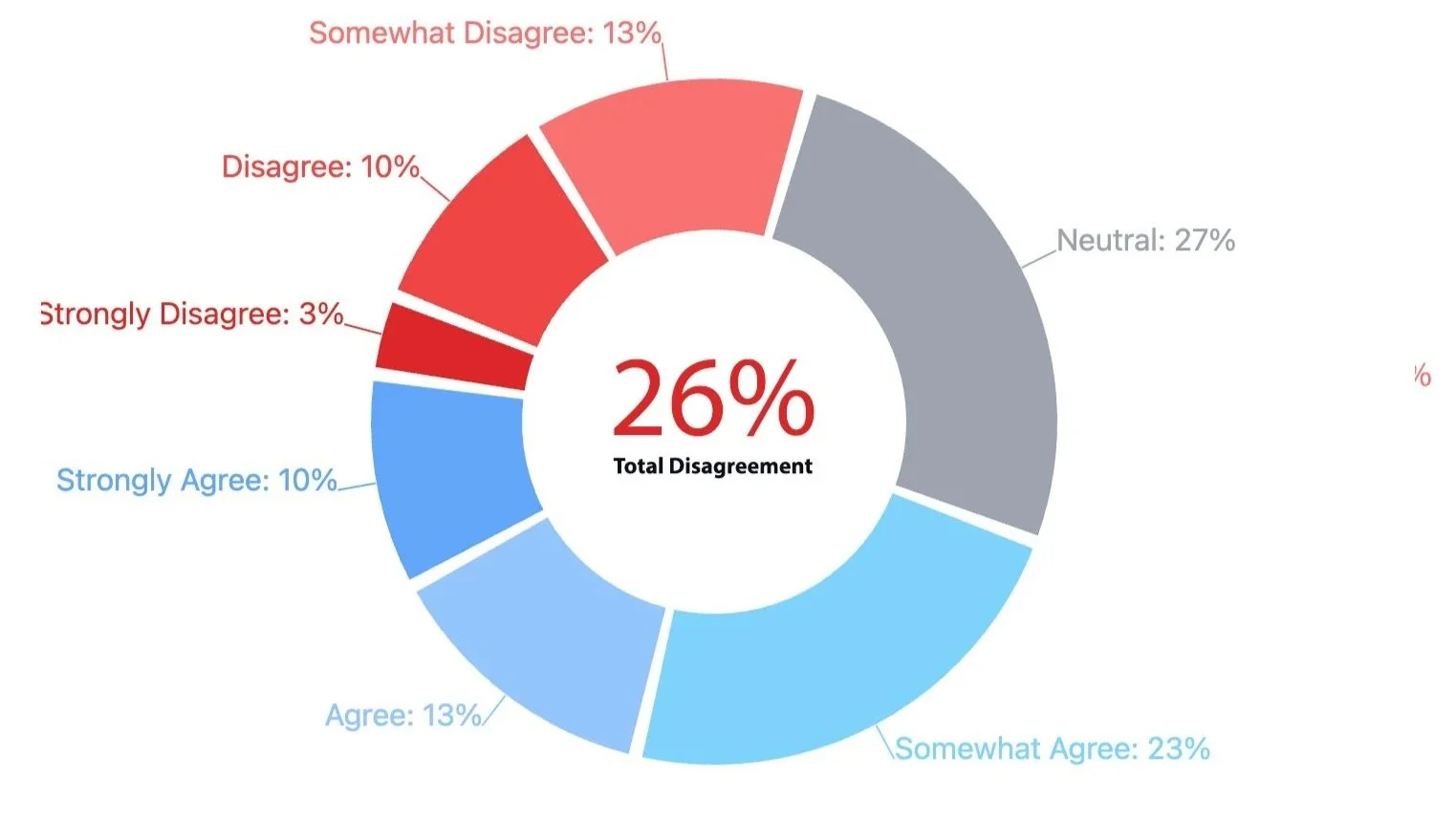
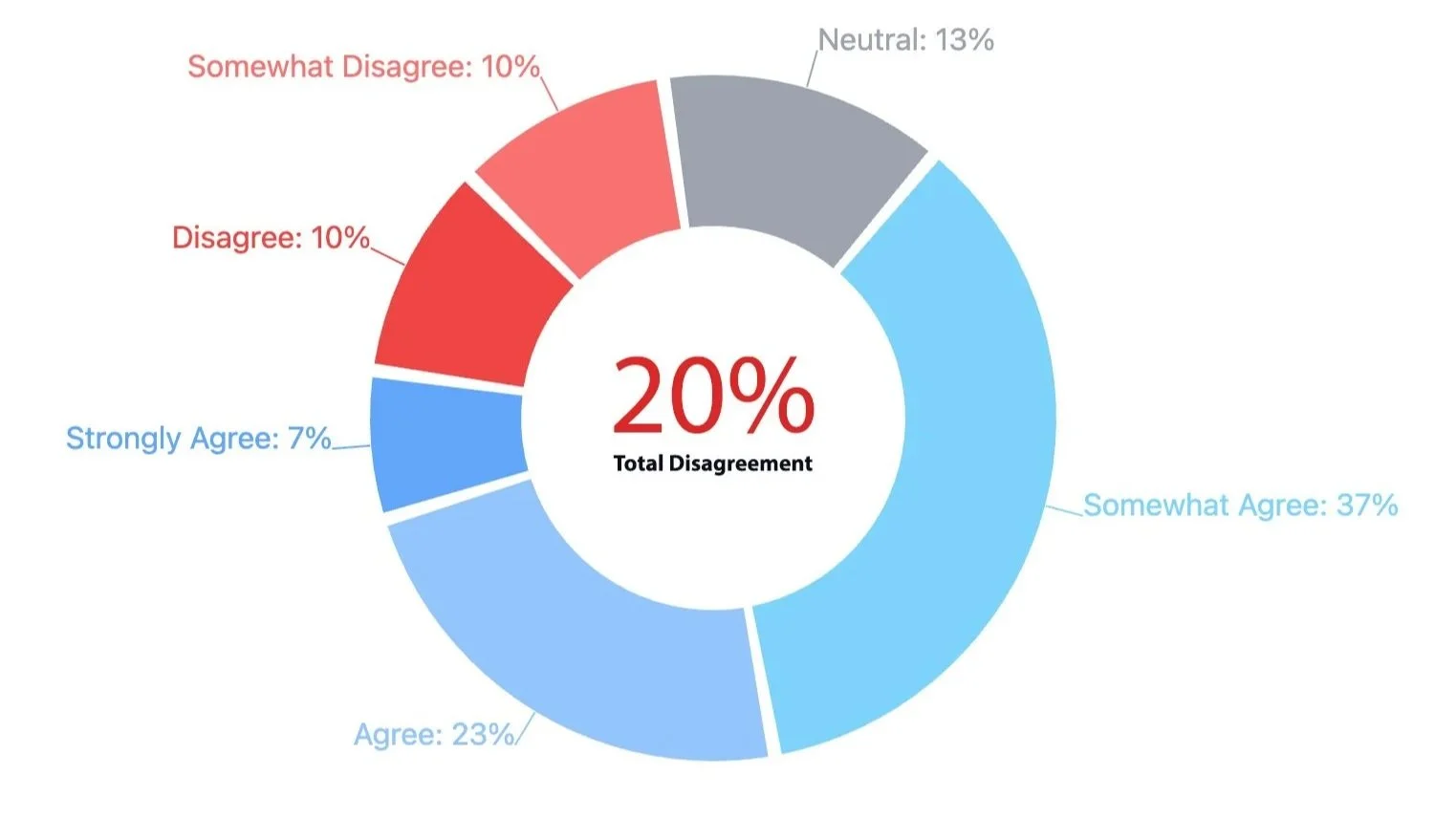
“Leadership decisions and priorities remain stable once they are communicated.” (Q8)
Score: 37.8
Risk Indicator: 20%